Château des Poupets

From the estate

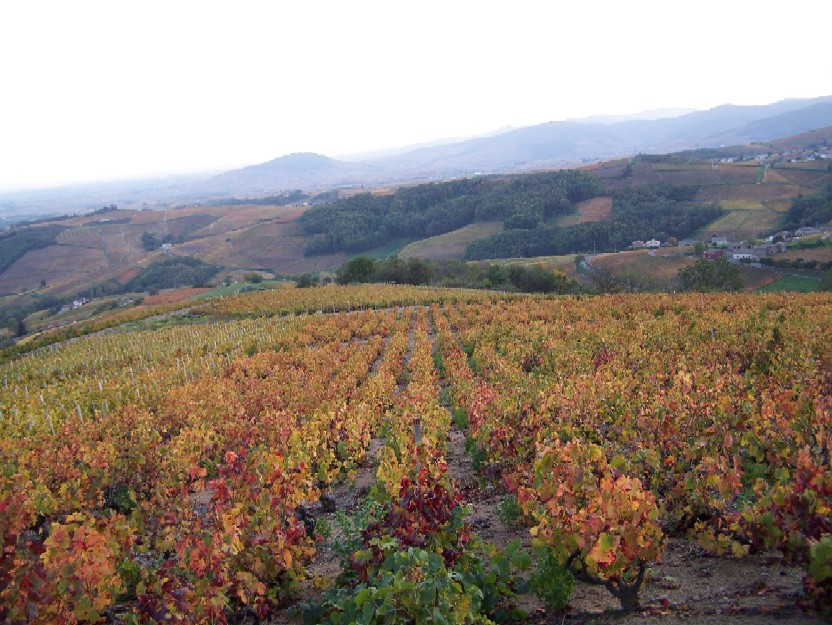
When to harvest Gamay in Juliénas

The vintage is decided in the last weeks on the vine — not in the first days in the tank. Here is how we read ripeness on this hill.

Published 14 April 2027

Ripeness is more than sugar

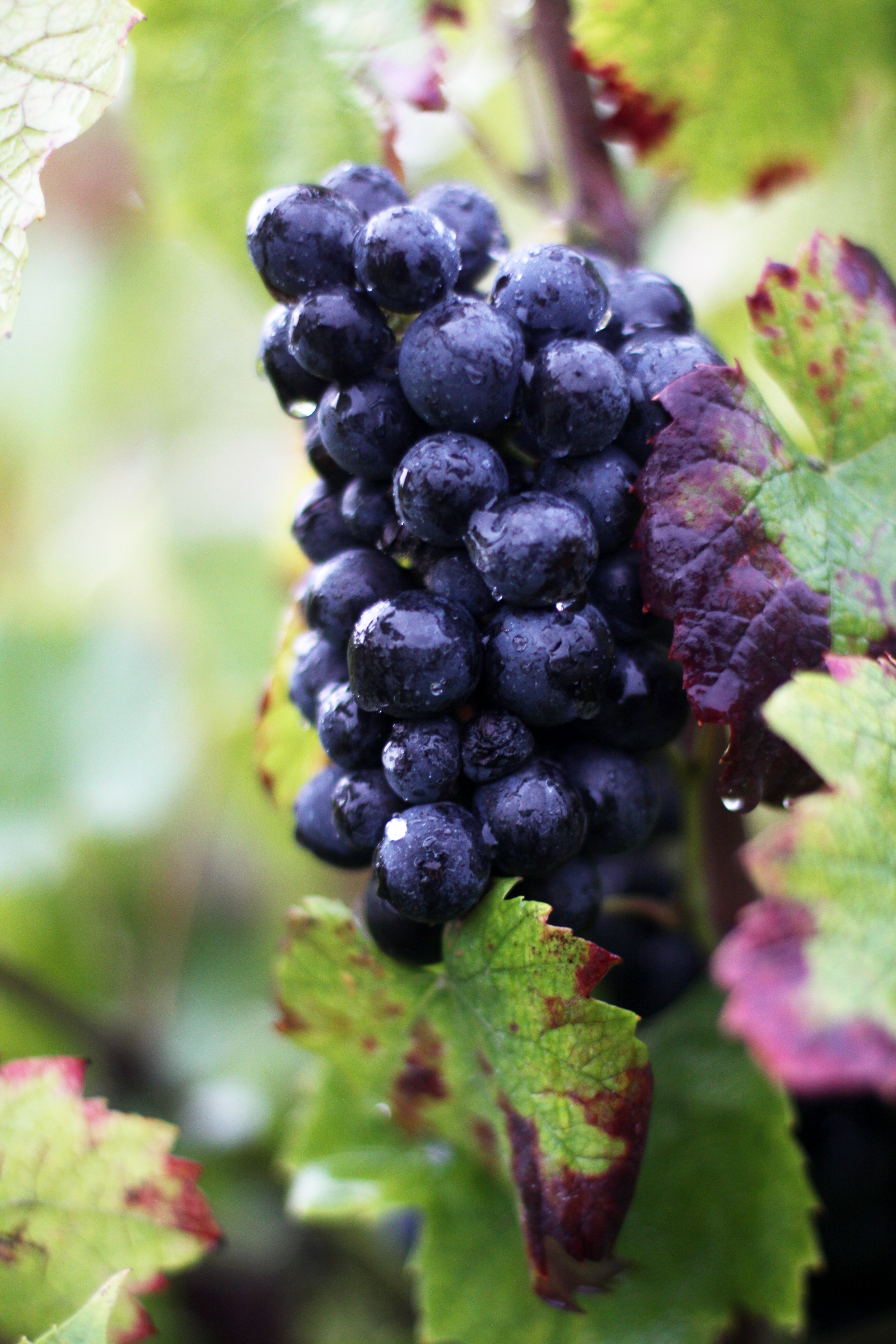
A refractometer gives potential alcohol; it does not give a wine. In Juliénas we also taste acidity, the snap of the skin, the colour of the juice, and whether the pips crunch toward hazelnut instead of green bitterness. Gamay can look black and still be hollow in the middle. The last forty-five days before the pick often decide whether a Cru will feel complete or merely ripe.

A network, then a walk

Beaujolais growers share a ripening network: twice a week, samples from many parcels are weighed, smelled, pressed and analysed. The numbers are a map, not an order. After the lab comes the walk — sun and wind on each slope, hail scars, a clay pocket that held water, a granite shoulder that raced ahead. At Château des Poupets we still choose parcel by parcel, sometimes a day or two apart.

Weather writes the last sentence

A hot week can push sugar faster than flavour. Rain before the pick can swell berries and dilute what you waited for. Storms force a choice between perfect numbers and healthy fruit. We would rather harvest a day early with sound bunches than chase an extra degree through rot. Juliénas granite drains well, but no hillside is immune to a September sky.

What the date gives the cellar

An earlier pick keeps lift and a brighter line — useful when the year is warm. A later pick, when skins and pips agree, builds the spice and mid-palate a Cru can keep. Carbonic tools cannot invent what the vine withheld. That is why harvest week at Les Poupets is quiet concentration, not a calendar party: the cellar can only finish a conversation the vineyard started.

Choose the day with your mouth and your weather, not only with a number. Everything after the pick is a consequence.