Château des Poupets

From the estate

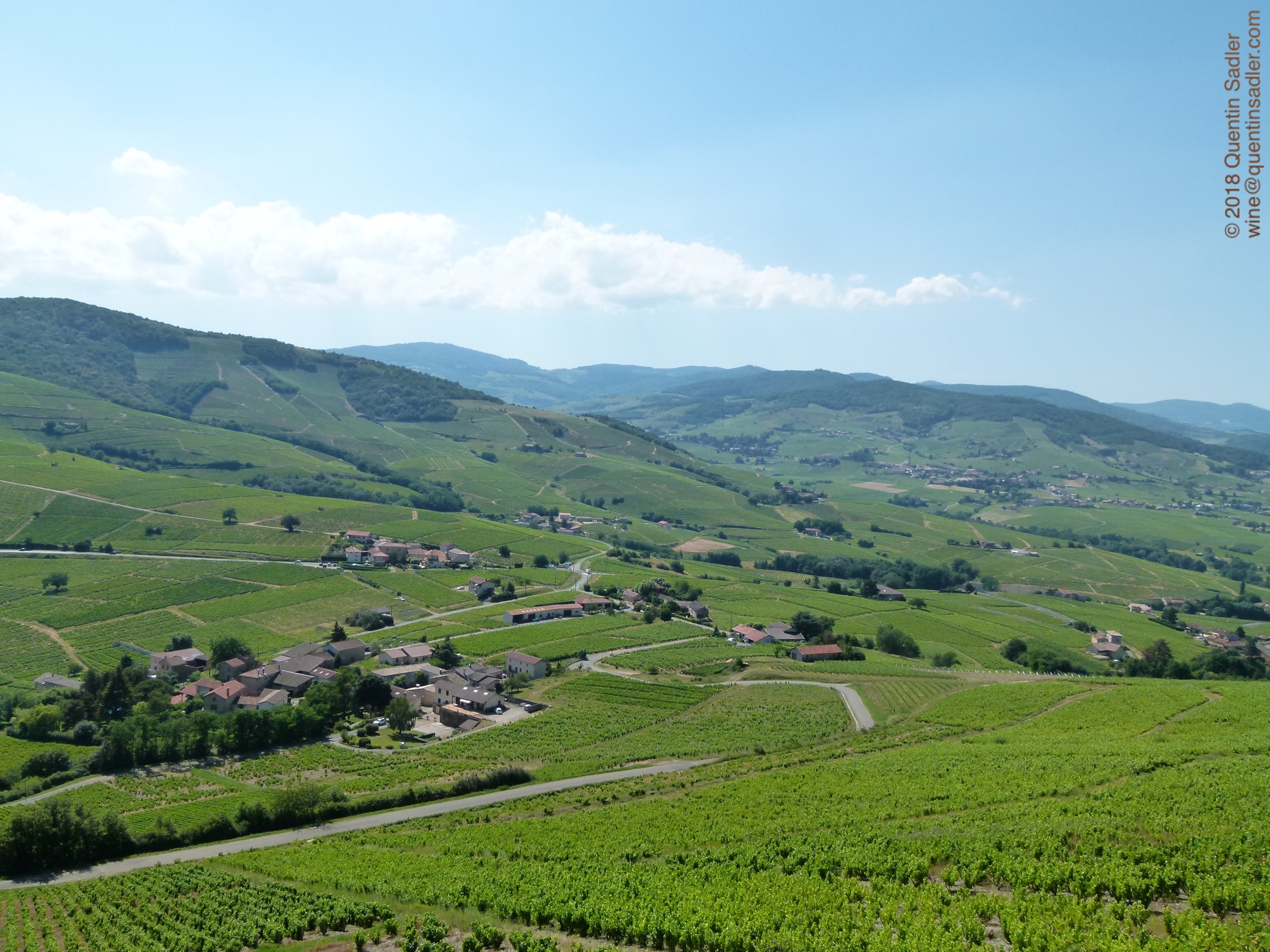
Beaujolais, Villages, and the Crus

Three levels, one grape, clearer place names as you climb. Here is how to read the ladder without treating it as a scoreboard.

Published 17 February 2027

Beaujolais: the wide door

Beaujolais AOC is the regional appellation — the broadest geography and often the most immediate wines. It includes a great deal of the south and wines built for freshness and early drinking. Nouveau usually wears this or a related early-release logic. Start here when you want Gamay without a village thesis.

Beaujolais-Villages: the middle band

Beaujolais-Villages covers approved communes, many on better slopes than the widest regional zone. Expect a step up in definition — still approachable, often with more mid-palate and a clearer sense of hill country. It is an excellent bridge between a simple Beaujolais and a named Cru.

The ten Crus: village names on the label

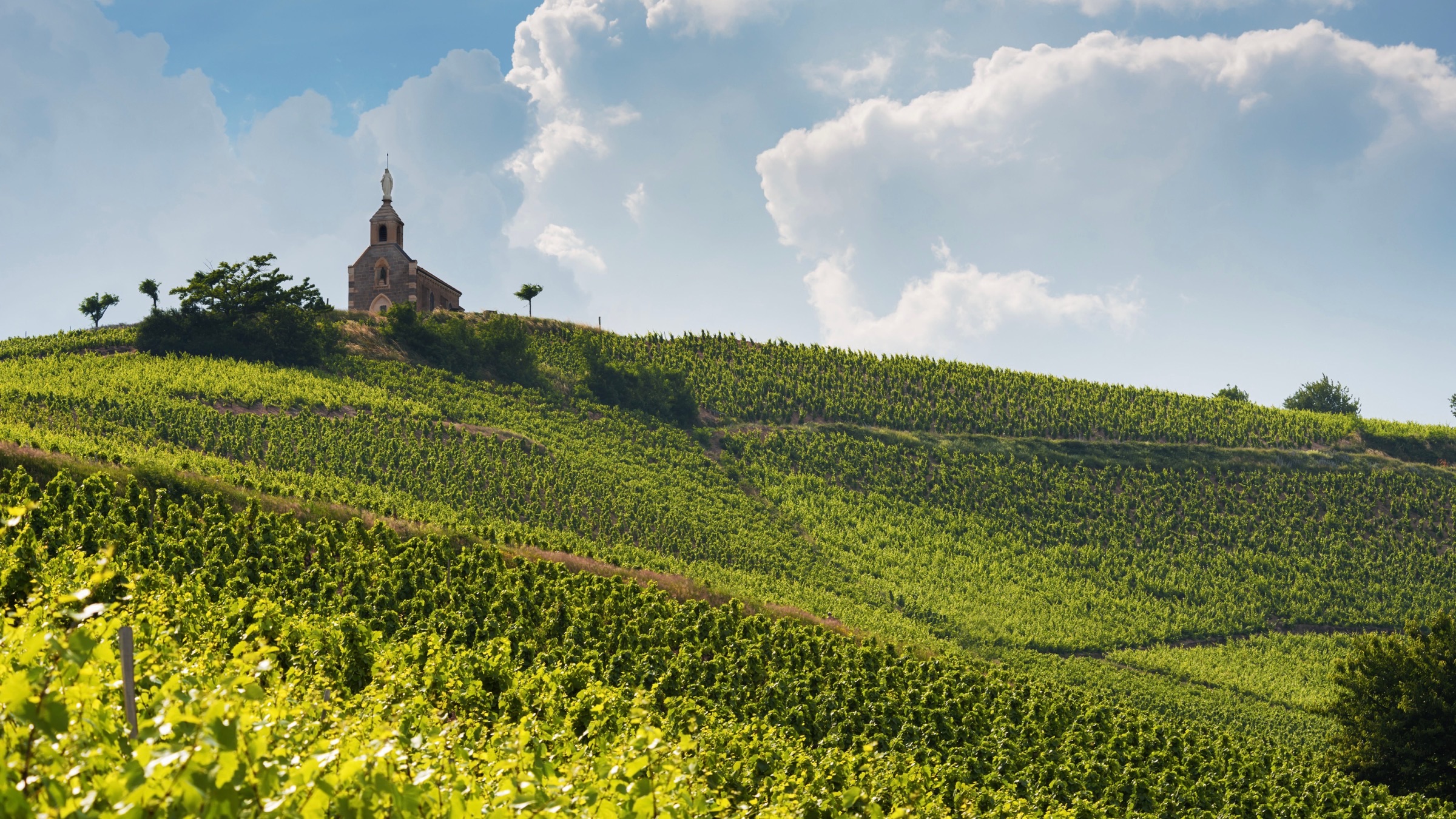
At the top of the map sit the ten Crus: Saint-Amour, Juliénas, Chénas, Moulin-à-Vent, Fleurie, Chiroubles, Morgon, Régnié, Côte de Brouilly, and Brouilly. The label shows the village, not “Beaujolais Cru” as a grade. These are the region’s serious place wines — still Gamay, still joyful, but shaped by specific rock, altitude, and tradition.

How to choose

Match the bottle to the moment: Beaujolais for the picnic, Villages for the weeknight table, a Cru when you want the map in the glass. Within the Crus, choose by personality — Fleurie for floral ease, Juliénas for spice and drive, Morgon or Moulin-à-Vent when you want depth and time. Price and prestige are guides; grower and vintage matter more than the rung alone.

The ladder is a map of precision, not a verdict on pleasure. Climb it for place — and drink what fits the table in front of you.