Château des Poupets

From the estate

The ten Crus of Beaujolais

Above Beaujolais-Villages sit ten village appellations with their own character. Here is how to tell Juliénas from Fleurie, and why the map matters in the glass.

Published 12 November 2025

Cru is a place, not a grade

In Beaujolais, “Cru” names a village appellation in the granite north of the region. There are ten: Saint-Amour, Juliénas, Chénas, Moulin-à-Vent, Fleurie, Chiroubles, Morgon, Régnié, Côte de Brouilly, and Brouilly. Each bottle carries the village name — not “Beaujolais Cru” as a generic label. Below them sit Beaujolais-Villages and Beaujolais AOC, which cover wider ground and often earlier-drinking wines.

A north–south personality

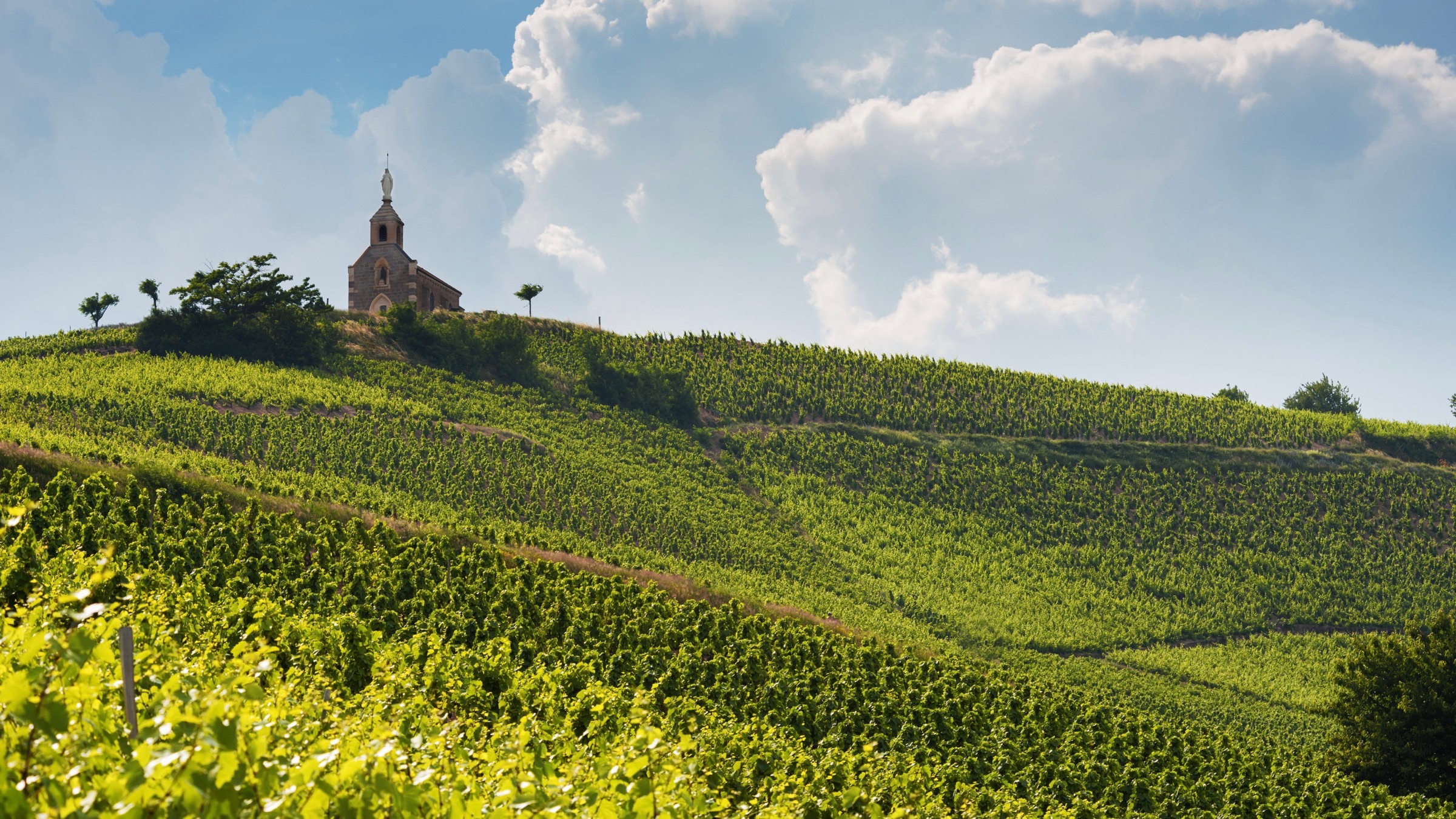
The Crus climb the hills between the Saône plain and the Beaujolais mountains. Higher, cooler sites such as Chiroubles keep a bright, floral line. Mid-slope villages like Fleurie and Juliénas show perfume and spice over stone. Morgon and Moulin-à-Vent often run deeper and longer. Brouilly and Côte de Brouilly, around the volcanic Mont Brouilly, bring warmth and generosity. The shared grape is Gamay; the difference is slope, rock, and how long the wine is meant to wait.

Juliénas among its neighbours

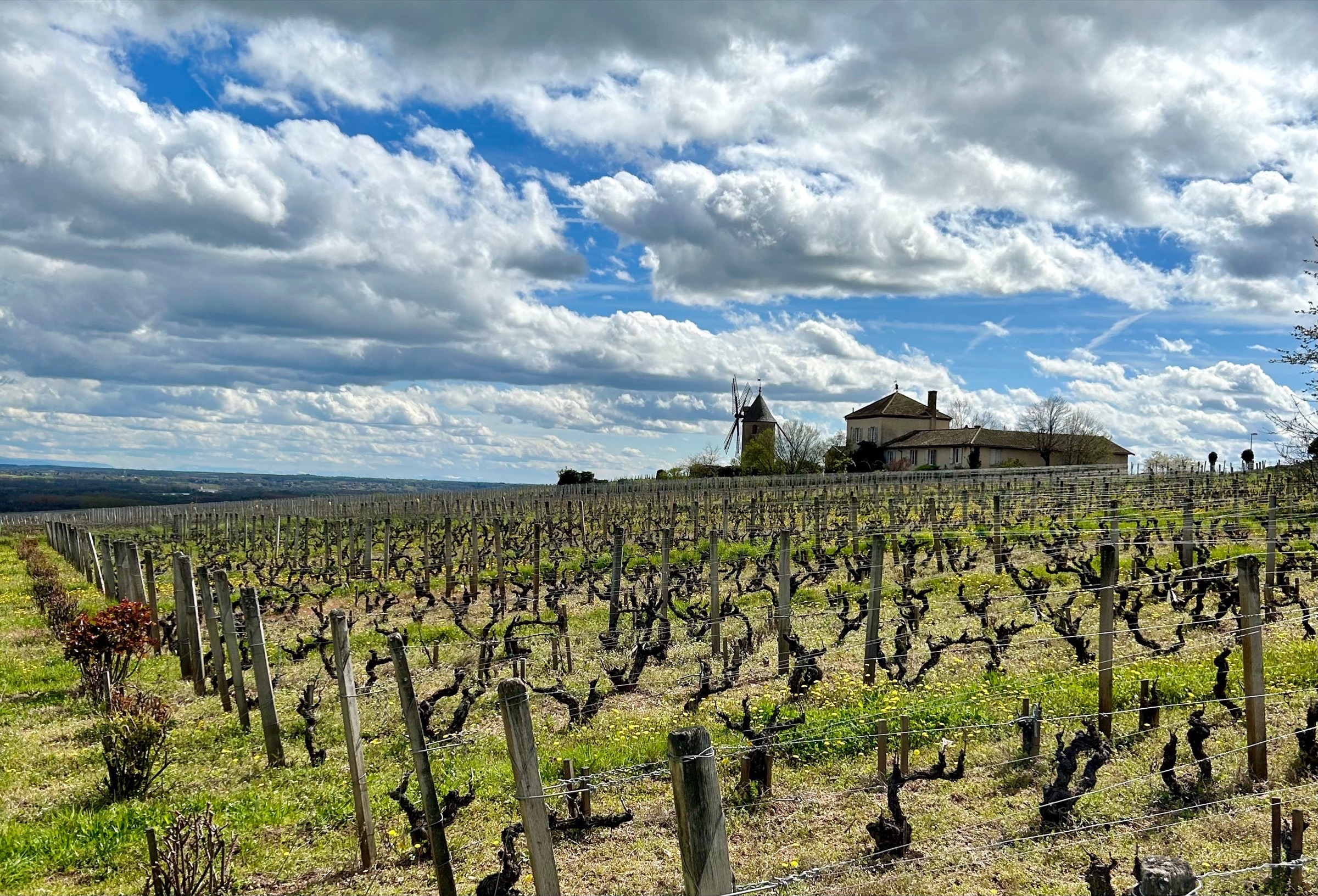
Juliénas sits between Saint-Amour and Chénas, with granite, schist and clay underfoot. In the glass it tends toward strawberry, violet and pepper, with more drive than Fleurie and earlier charm than a serious Moulin-à-Vent. From Château des Poupets you look across several of these hills in a short drive — which is why tasting the Crus side by side remains the best map of all.

How to taste the ten

Start with two or three bottles from neighbouring villages rather than a dozen at once. Serve slightly cool (around 14°C), use a simple glass, and note colour, aroma, mid-palate weight, and finish. Nouveau and basic Beaujolais have their place; the Crus are the region’s serious village wines — still joyful, still Gamay, but built for the table and for a few years in bottle when the vintage allows.

The ten Crus are not a ladder of quality so much as ten dialects of the same grape. Learn a few well — Juliénas first, if you are reading this from our hill — and the rest of Beaujolais opens.