Château des Poupets

From the estate

Gamay, the grape of Beaujolais

Thin-skinned, early ripening, and fragrant — Gamay Noir à Jus Blanc is the reason Beaujolais tastes like itself.

Published 18 January 2026

A Burgundian exile that thrived

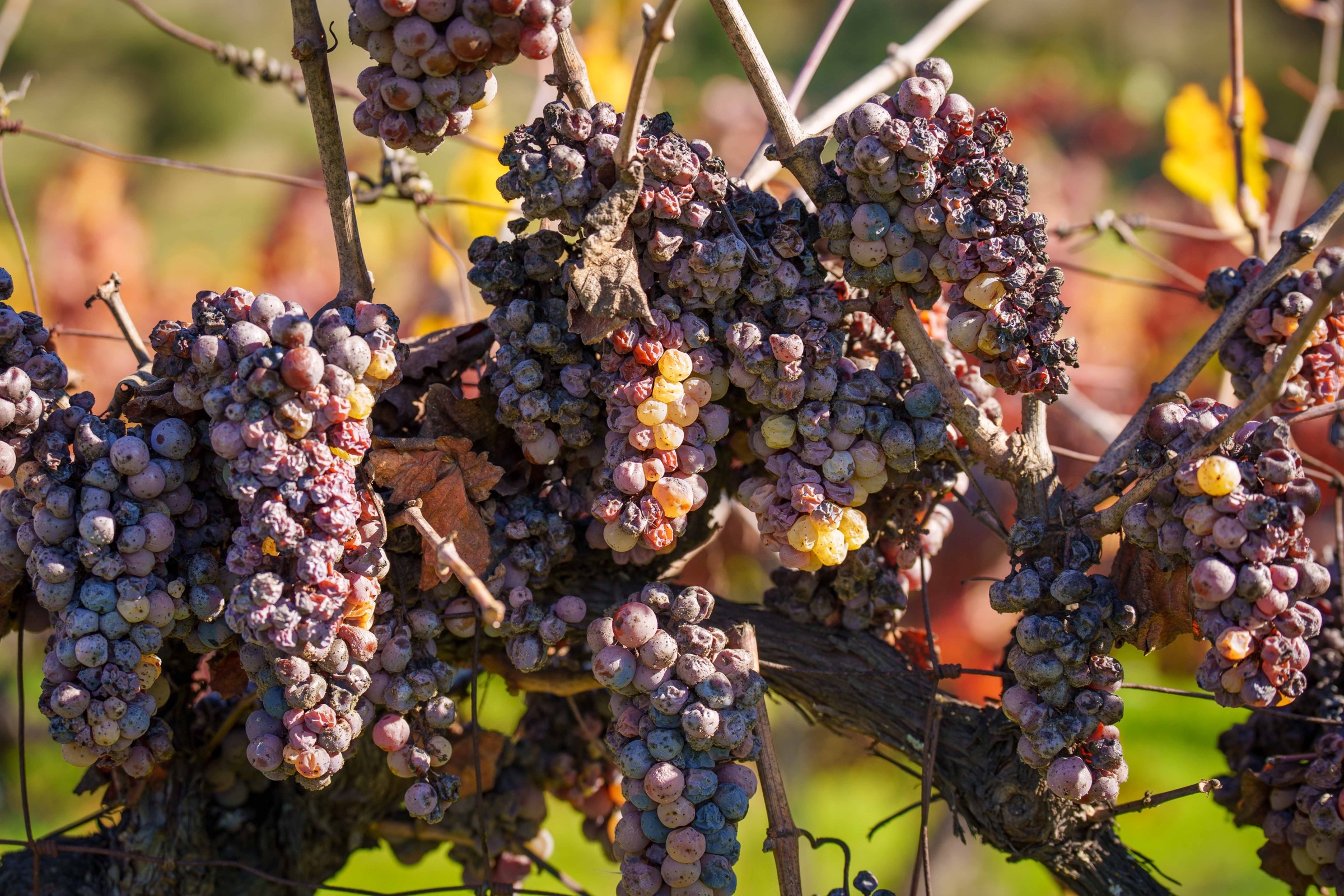
Gamay was once widely planted in Burgundy before preferential rules pushed it south. In Beaujolais it met granite and a climate that suits early ripening. The full name, Gamay Noir à Jus Blanc, points to dark skins and clear juice — colour and tannin come from the skins and stems during maceration, not from red flesh.

What Gamay gives in the glass

Expect red fruit — strawberry, cherry, sometimes raspberry — with floral notes (violet, peony) and a peppery or stony edge in the Crus. Alcohol is often moderate; acidity keeps the wine lively. Tannins are usually finer than in thicker-skinned varieties, which is why Beaujolais can feel generous without heaviness.

Farming and climate

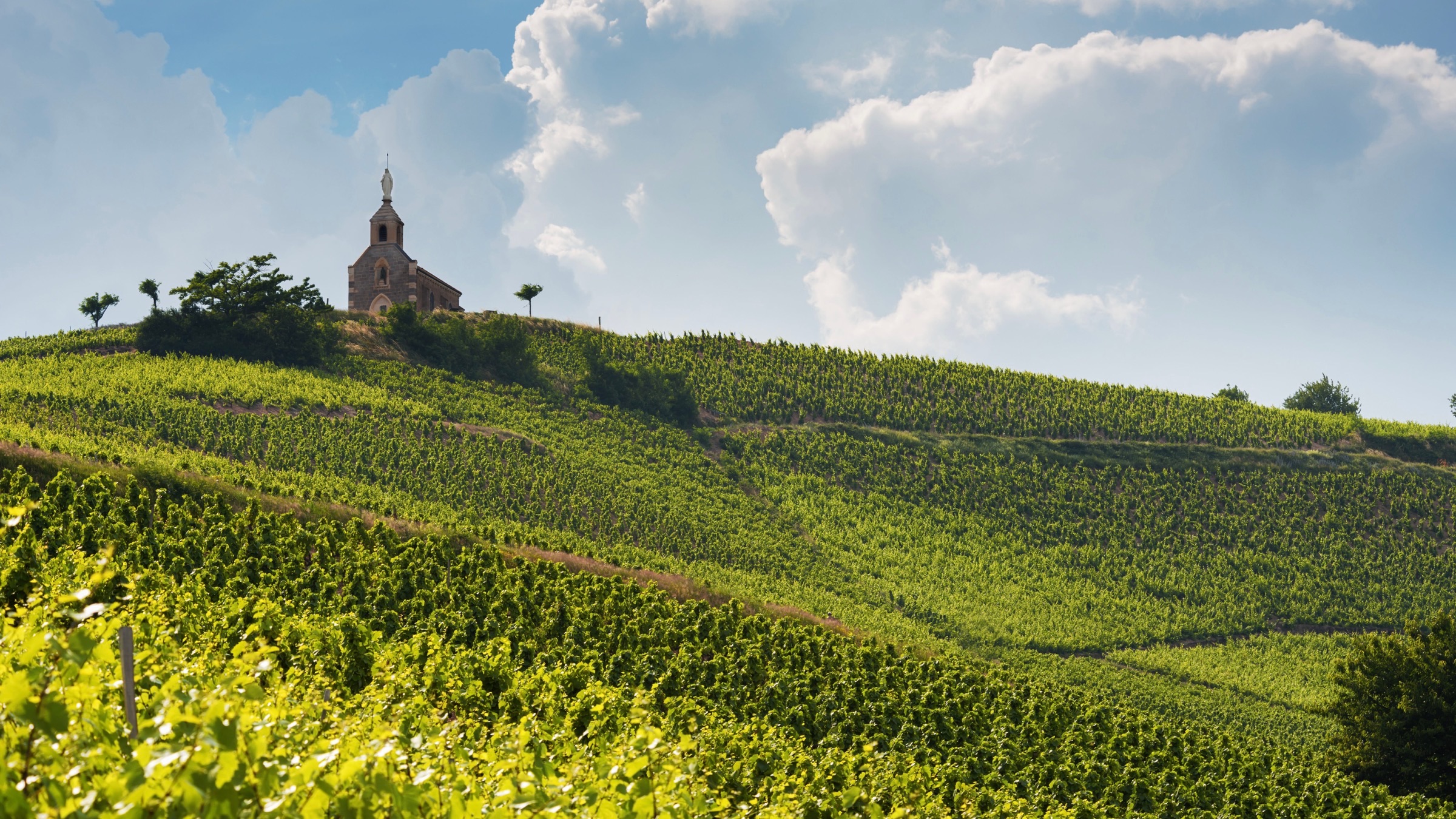
Gamay buds early, so spring frost is a real risk on lower sites. On the Juliénas slopes we watch the season closely: canopy work, careful yields, and hand harvest when the fruit is ripe but still fresh. Warmer years need restraint in the cellar; cooler years reward patience in the vineyard.

Not only Nouveau

Beaujolais Nouveau made Gamay famous worldwide, but the Crus show another face — village wines that can age, travel, and sit beside serious food. At Château des Poupets we farm Gamay for Juliénas that speaks of this hill first, fashion second.

If you remember one thing about Gamay, let it be this: it is not a lesser Pinot. It is its own grape, and Beaujolais is where it sings.