Château des Poupets

From the estate

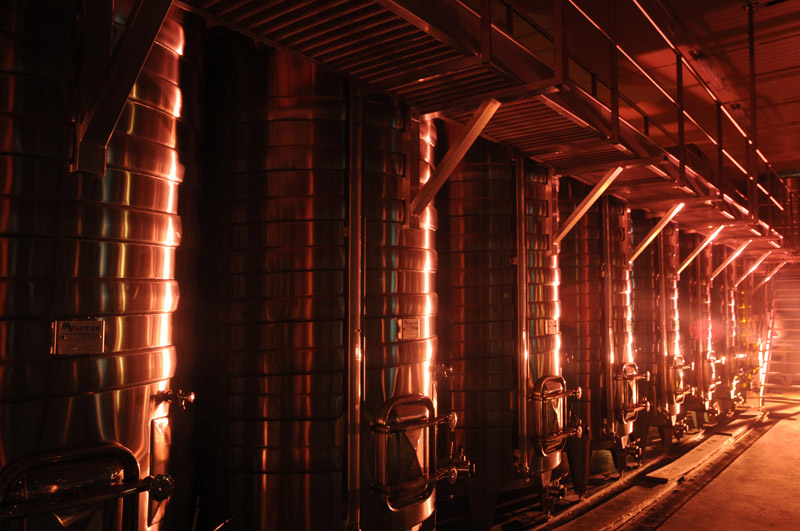
Fermentation in a Juliénas cellar

Once the vats are full, the vintage becomes a daily tasting: heat, colour, spice, and the moment when fruit turns into wine.

Published 16 June 2027

Two fermentations in one tank

In a semi-carbonic vat, juice at the bottom starts a classic yeast fermentation while berries above ferment inside their skins. Carbon dioxide from the juice saturates the tank and keeps the upper fruit in that closed world. The winemaker’s job is to keep both conversations healthy — not to force one method as a slogan.

Temperature is a steering wheel

Too cold and fermentation stalls; too hot and perfume cooks off while harshness rises. We watch the tank like a fever chart. Cooling, a warmer corner of the cellar, or a slower fill can change the week. Juliénas we want for the table usually stays in a moderate range: enough warmth for colour and spice, enough cool to keep strawberry and violet alive.

Pigeage, pump-overs, and time on skins

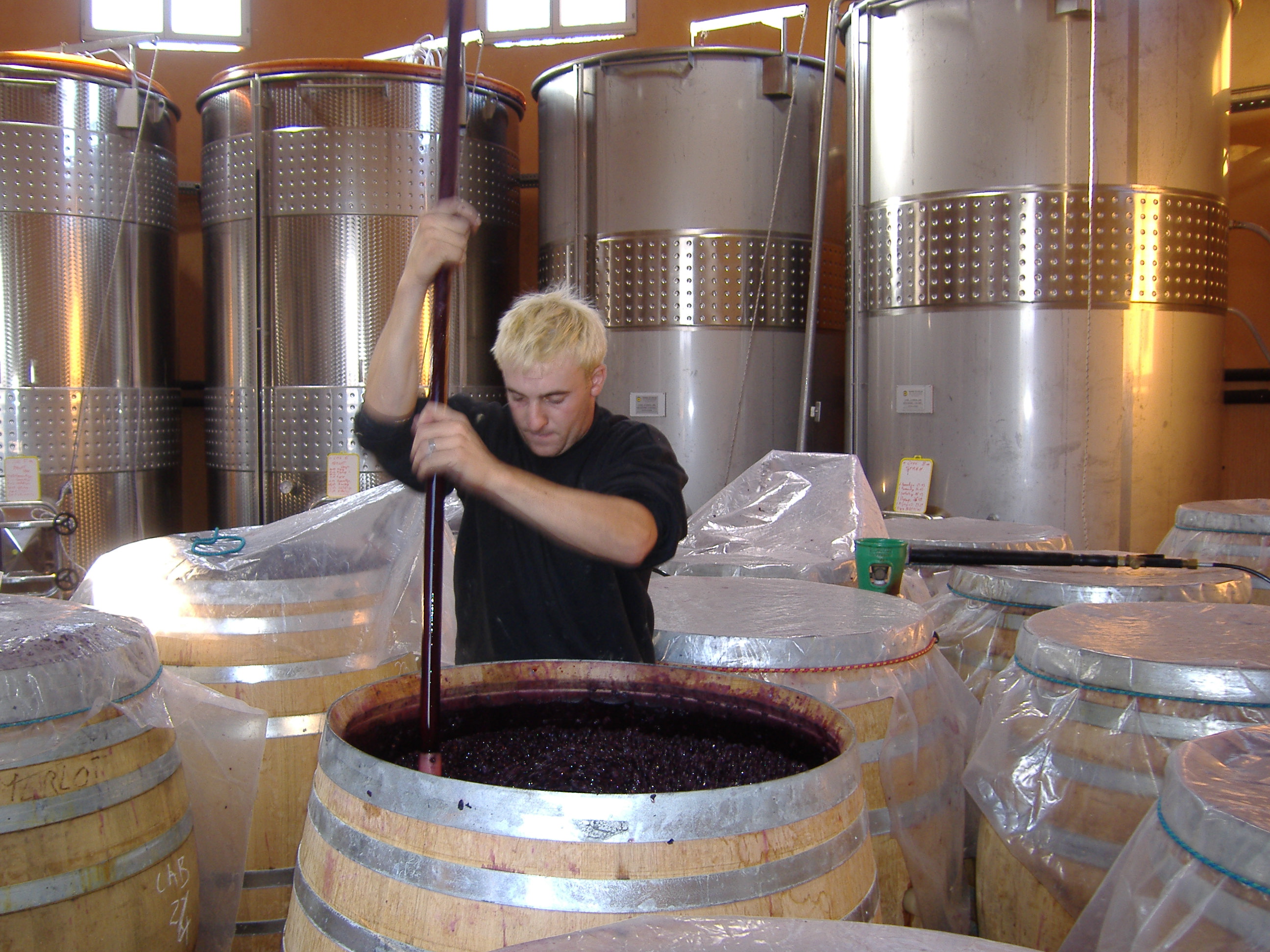
A cap of skins forms as fermentation runs. Punching it down (pigeage) or pumping juice over it (remontage) extracts colour, flavour and tannin. More work and more days mean a deeper, longer wine; less work keeps a lighter, earlier glass. Nouveau lots may stay on skins only a few days. A Cru lot can remain a week or more, tasted every morning until the structure feels right — then we press.

Native yeast, sulphur, and nerve

Most vats here start with the yeasts that arrive on the fruit and live in the cellar. We are not romantic about spoilage: cleanliness, temperature, and timely sulphur after the alcoholic fermentation protect the wine. Nerve is knowing when to leave a tank alone and when to intervene. The vintage will keep changing through malolactic and élevage; fermentation is only the first loud chapter.

A good fermentation is quiet attention. You listen to the vat until the wine has enough of the hill — and not more extraction than it can carry.