Château des Poupets

From the estate

Carbonic maceration, explained

The technique behind much of Beaujolais’ perfume — and how a Juliénas cellar uses whole berries without turning every wine into Nouveau.

Published 22 March 2026

Fermentation inside the berry

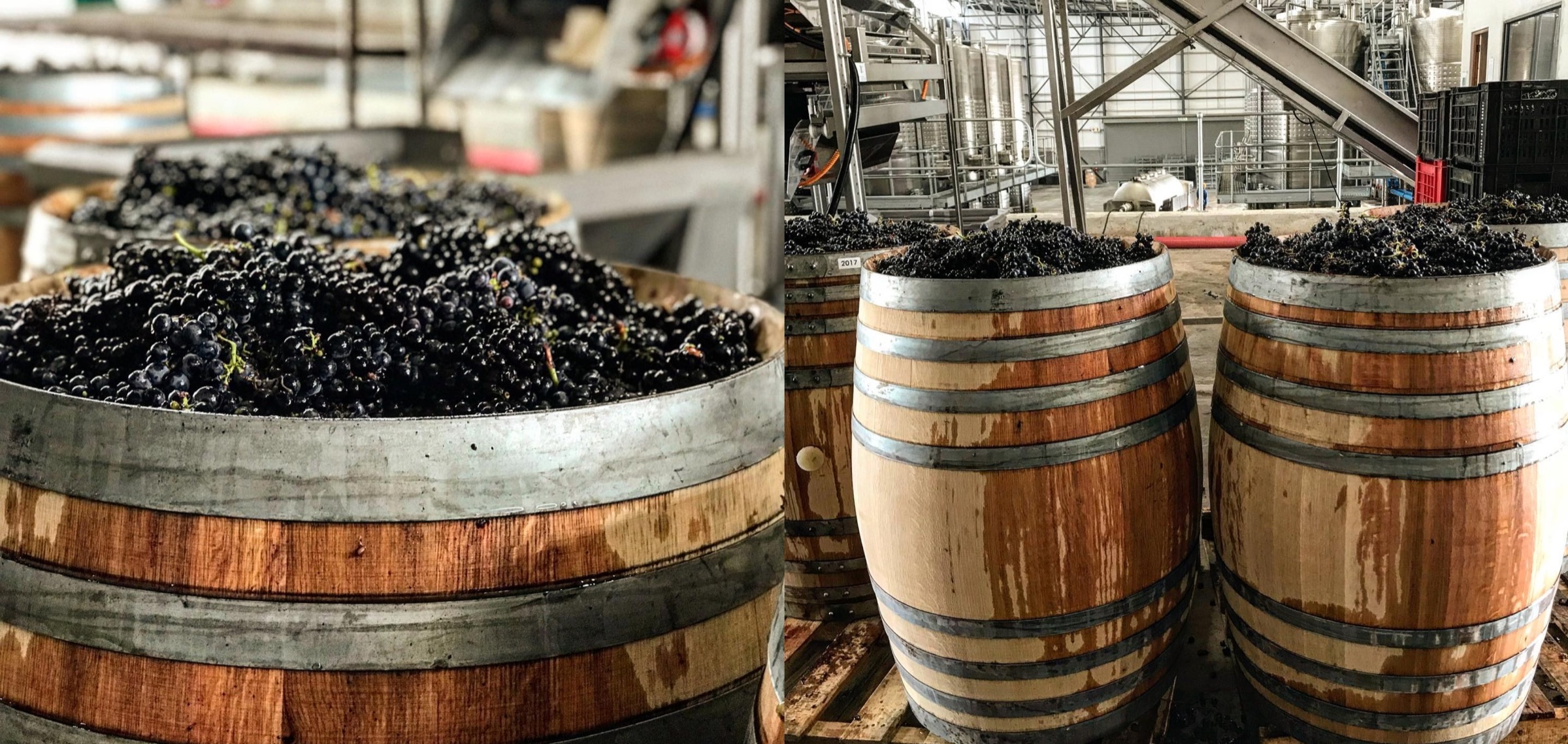
In classic carbonic maceration, whole, intact grapes are held in a carbon dioxide-rich environment. Fermentation begins inside each berry before the fruit is pressed. The result is vivid aroma, low harsh tannin, and the juicy profile many people associate with Beaujolais. True full-carbonic lots are more common for early-drinking wines.

Semi-carbonic in practice

Most Cru cellars work in a semi-carbonic way: tanks are filled with whole clusters or whole berries; the weight of the fruit crushes some grapes at the bottom, starting yeast fermentation in the juice while berries above still macerate intact. Punch-downs, pump-overs, temperature, and time on skins then shape colour, spice, and structure.

Why Juliénas still needs the vine

No maceration invents ripeness. Juliénas character starts with granite slopes, yield, and harvest date. Carbonic tools protect fruit and perfume; oak, élevage, and blending decisions decide whether the wine is built for next spring or for a longer cellar life. At Château des Poupets we keep the method in service of the hillside, not the other way round.

Tasting the difference

Wines with a strong carbonic signature smell of banana, candy, or kirsch when extreme; more restrained versions show strawberry, floral notes, and soft texture. A structured Juliénas will still feel Gamay — bright and aromatic — but with spice and a longer, stonier finish.

Carbonic maceration is a tool, not a personality. In good hands it lets Gamay speak clearly; in careless hands it becomes a mask.