Château des Poupets

From the estate

How to read a French wine label

The most important words are often the place names. Here is how to read a Beaujolais or Juliénas label without getting lost in the fine print.

Published 9 February 2026

Start with the appellation

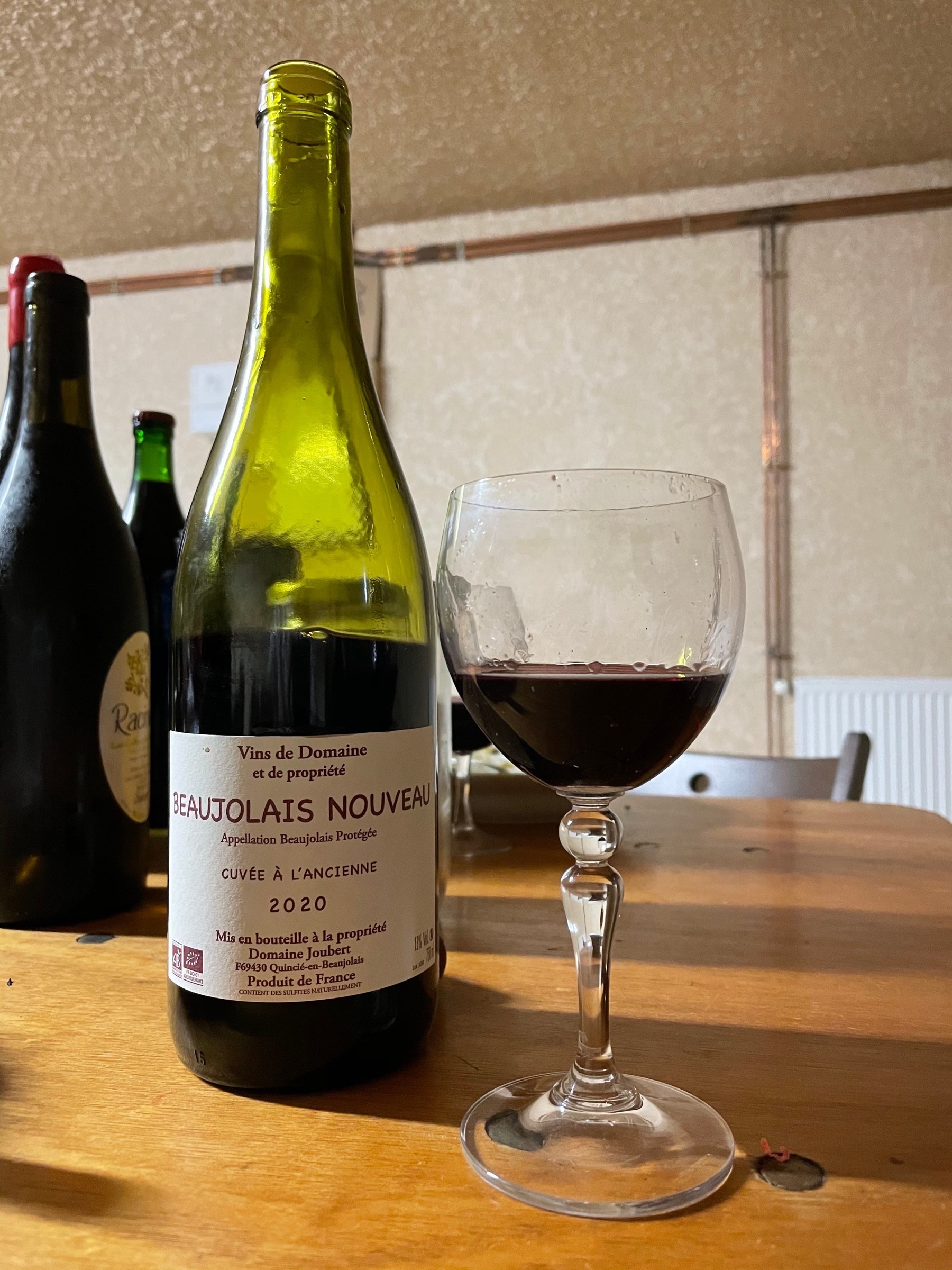
On a French bottle, the appellation (AOC/AOP) is the legal place name. “Juliénas” means the grapes come from that Cru. “Beaujolais-Villages” means a wider zone of approved villages. “Beaujolais” alone is the broadest regional appellation. The more precise the place, the more the label is promising a local character — not automatically a higher price, but a clearer origin.

Producer, cuvée, and vintage

The domaine or château name tells you who made the wine. A cuvée name (for example Clos des Poupets) can mark a specific vineyard, blend, or style such as a Crémant. The vintage year is the harvest year; non-vintage sparkling wines may blend several years. Mise en bouteille au château / au domaine means bottled at the estate — a useful sign of control from vine to bottle.

What the back label adds

Alcohol, allergens (sulphites), and often grape variety appear on the back. In Beaujolais reds, Gamay is the story even when the front label only shows the village. Serving temperature and ageing advice are guides, not laws — Juliénas often prefers a light chill.

A quick Juliénas checklist

Look for: the word Juliénas, the producer name, the vintage, and estate bottling when present. Ignore decorative seals until you know the grower. If you are standing in our cellar, ask which parcel and which maceration shaped the bottle in your hand — the label is only the first sentence.

French labels reward curiosity about place. Once you can spot a Cru name, half the work of choosing a bottle is done.