Château des Poupets

From the estate

Pressing the vintage

When the vat has given what we want, the fruit must leave the skins. Pressing is the hinge between harvest noise and the long quiet of élevage.

Published 14 July 2027

Free-run first

Before the press turns, a good share of juice already runs from the tank — the vin de goutte, or free-run. It is often the clearest, most aromatic part of the lot. We taste it on its own. It already smells like the vintage, still a little sweet or still finishing fermentation, and it tells us whether the maceration lasted long enough.

The press is not a punishment

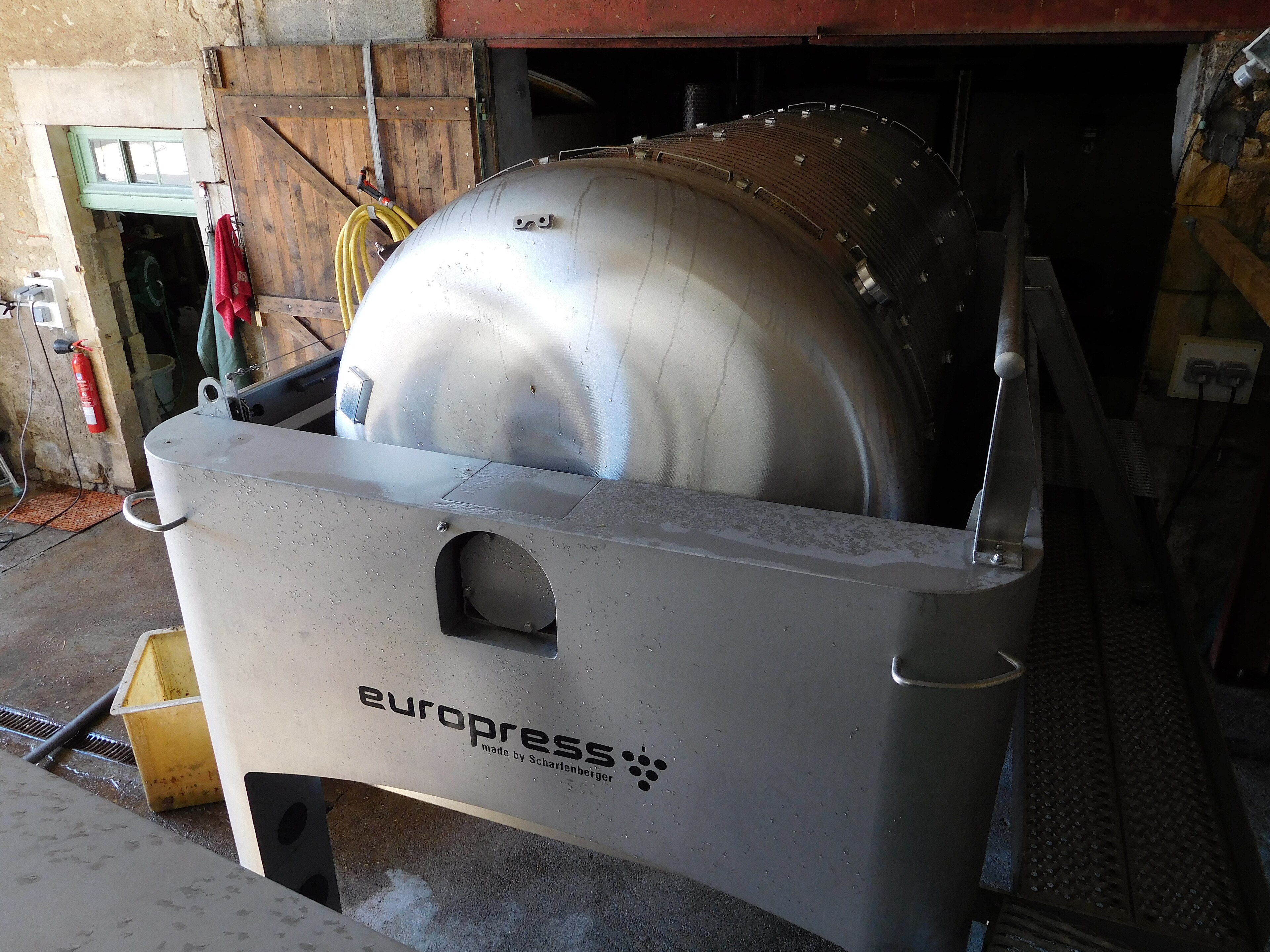
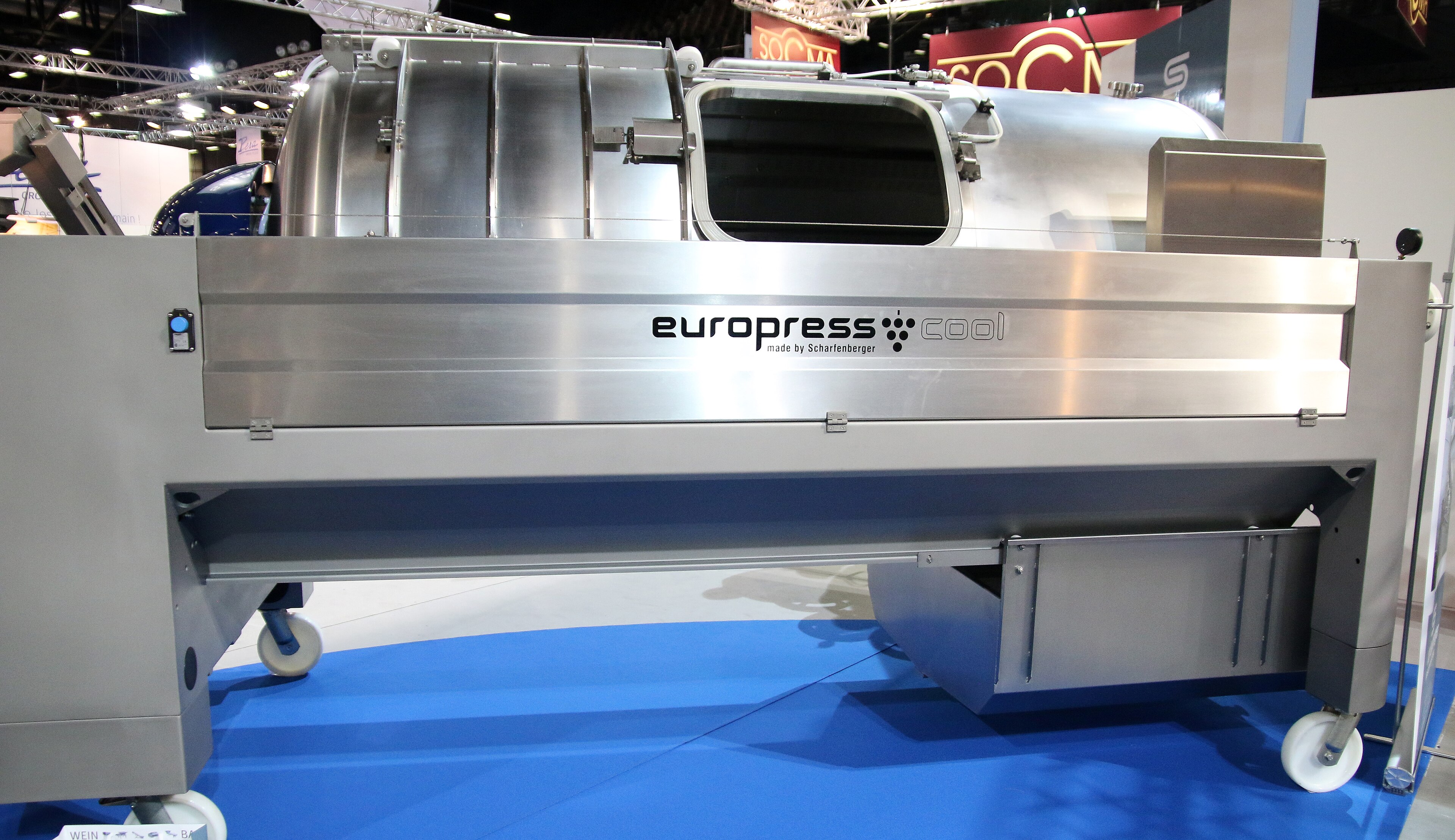
The remaining marc — skins, pulp, and stems — goes to the press. A pneumatic press can squeeze gently, in cycles, rather than crushing pips and wood into bitterness. Old vertical presses have their poetry; modern ones have control. Either way the aim is juice, not a war on the cake. Gamay’s thin skins do not need violence to give colour.

Press wine has a job

The later fractions, the vin de presse, are richer in tannin and sometimes in rusticity. We keep them separate at first. Some will join the free-run to give a Cru more backbone; some will stay out of a finer cuvée. Blending press wine is a seasoning, not a habit. A Juliénas that will age can use a measured share; a wine for early drinking often wants less.

Settling before winter work

After pressing, the new wine is cloudy with lees. It settles, finishes its sugars if needed, and waits for malolactic conversion. The yard grows quieter; the smell changes from crushed fruit to young wine. This is when visitors sometimes think harvest is over. For the cellar, the vintage has only changed rooms.

Press as if the wine could still be bruised. The best Juliénas keep the perfume of the vat and only as much structure as the press politely offered.