Understanding terroir
In the lexicon of winemaking, terroir is one of the most expressive terms. It encapsulates the relationship between soil, climate, topography and other environmental factors that influence the character of the wine. In Juliénas, the wine’s flavor, aroma, texture and overall profile are deeply rooted in the land.
Soil composition
Granite, predominantly found in the region, imparts a mineral character and ensures good drainage for deep rooting. In areas with schist, the wine often has a more structured and complex character. Veins of clay intersperse the granite and schist, retaining water in drier periods; wines from clayey areas are often more robust and fuller-bodied.
Climatic influence
Juliénas, with its continental climate, experiences warm summers and cold winters. Proximity to the Saône River brings a moderating effect, so grapes mature uniformly, balancing acidity and ripeness. Hilly terrain means different altitudes and slopes receive sunlight at different angles, adding another layer of complexity.
The Gamay grape
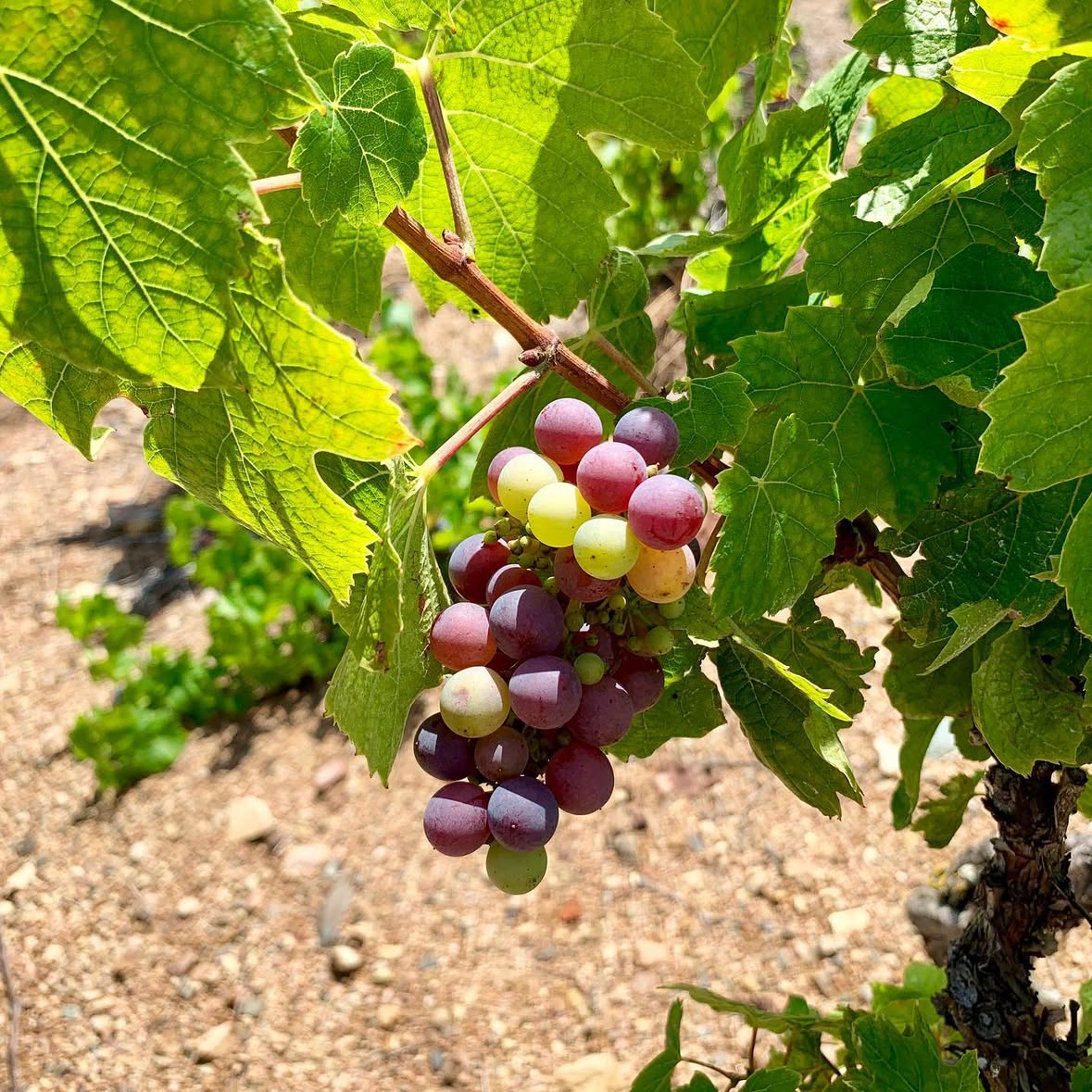
Gamay, the star grape of Beaujolais, finds one of its most expressive homes in Juliénas. It is known for vibrant red fruit — cherry, raspberry and redcurrant — often accompanied here by subtle floral notes. Its deep-rooting nature extracts the best of what the terroir offers. Traditional carbonic maceration accentuates fruit and flower, starting fermentation inside the whole grape, yielding wines lighter in tannin and bursting with freshness.
Exploring beyond Gamay
While Gamay reigns supreme, Juliénas has also experimented with other varieties over time. Some vineyards cultivate small quantities of Chardonnay and Pinot Noir, often used in blends or unique limited-edition wines.
The magic of Juliénas lies in the harmonious interplay between its terroir and the Gamay grape — a relationship forged over centuries.