Château des Poupets

From the estate

Can Cru Beaujolais age?

The myth says Gamay must be drunk young. The Crus — and a well-kept Juliénas — often prove otherwise.

Published 14 October 2026

The young-wine stereotype

Nouveau and easy Beaujolais trained the world to open Gamay immediately. That habit is fair for early-drinking bottles. It is unfair to the Crus, where lower yields, better sites, and longer élevage can build wines that gain spice, savoury depth, and a silkier texture over several years — sometimes longer in strong vintages.

Juliénas beside Morgon and Moulin-à-Vent
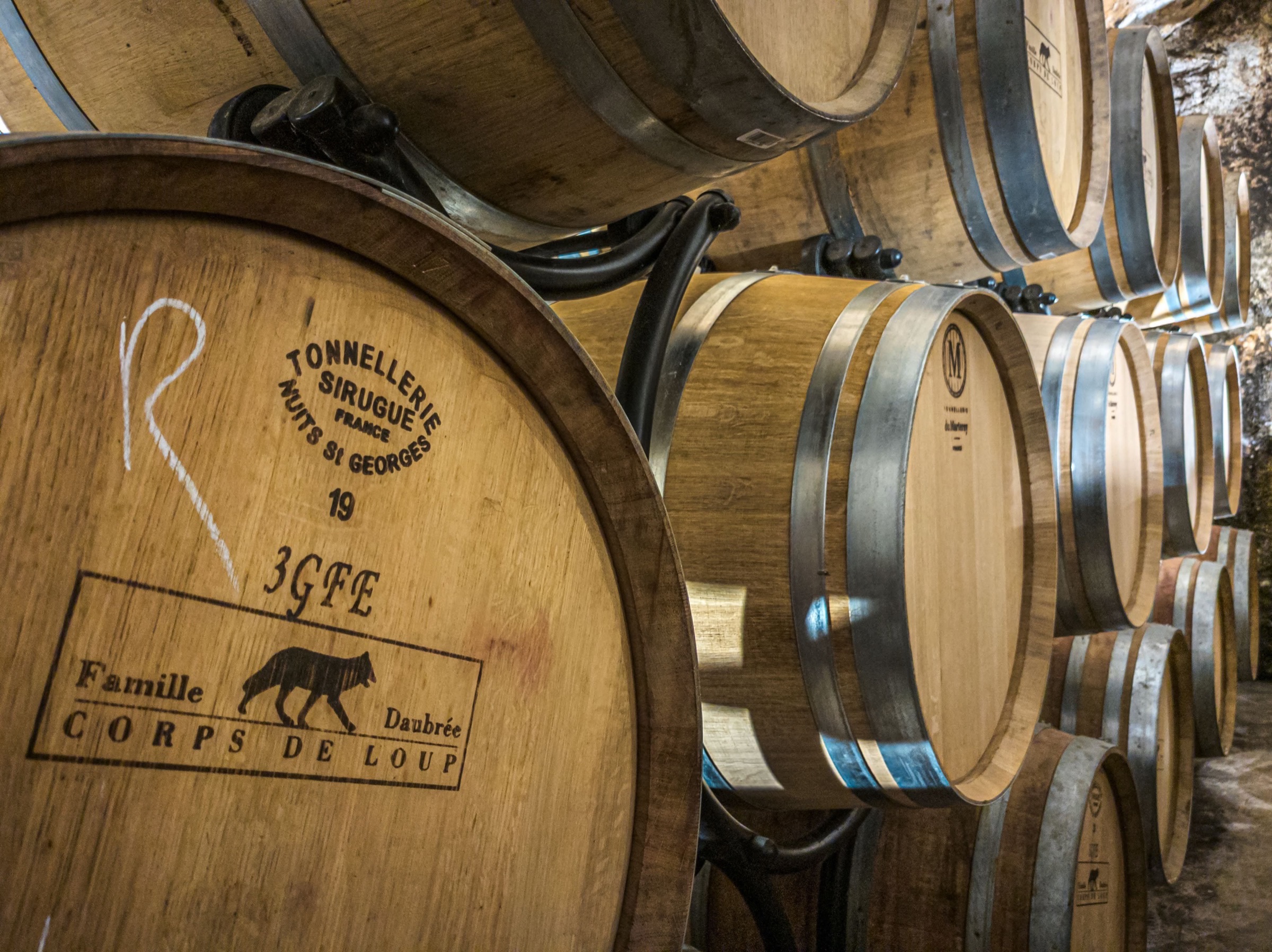
Moulin-à-Vent and Morgon are the names most often praised for cellar life: denser structures, slower evolution. Juliénas typically offers earlier charm with enough backbone to keep for a few years, and longer when the vintage and parcel allow. Think mid-term cellar mate rather than eternal vault wine — still far from “drink by spring or discard.”

How to store and when to open

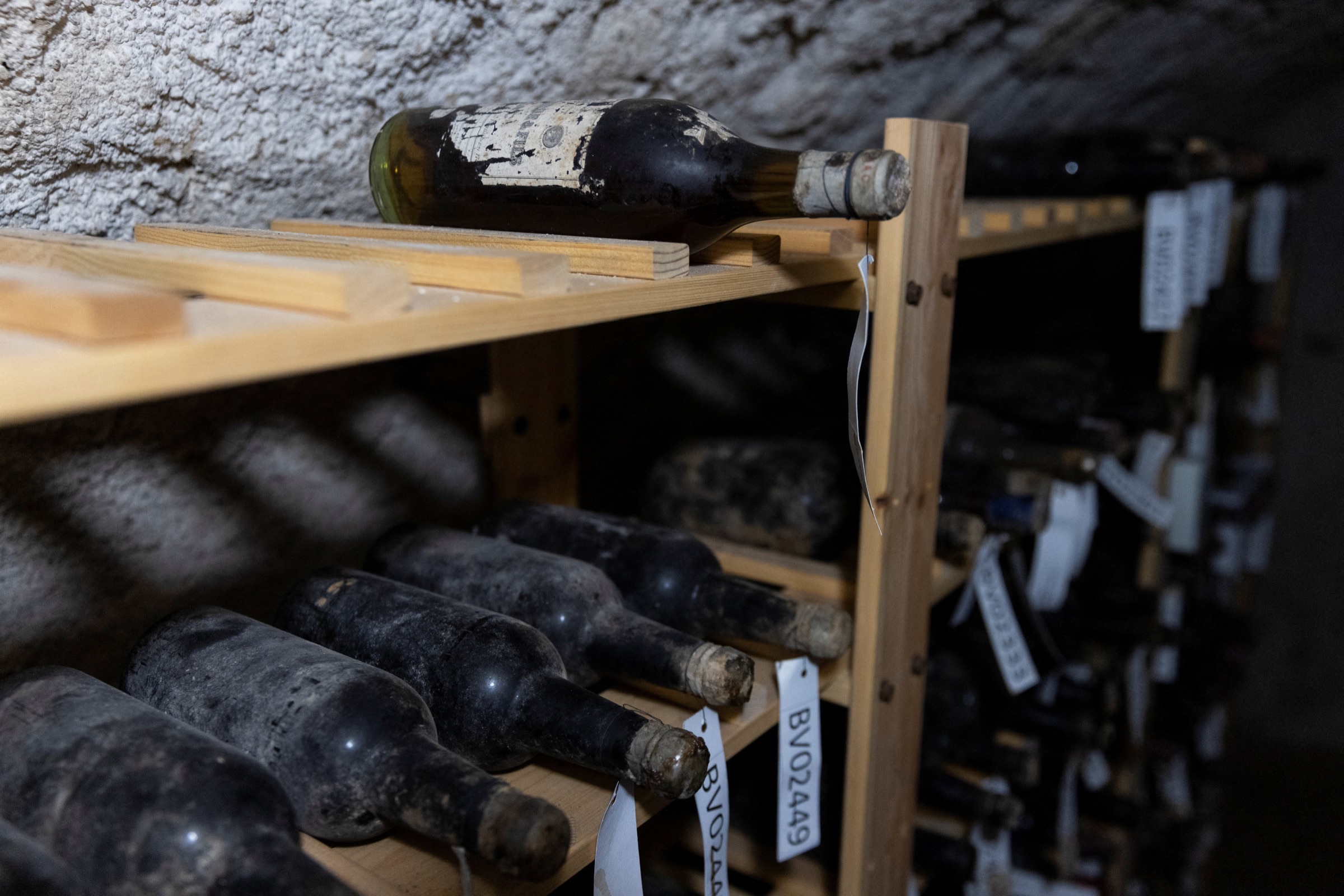
Keep bottles on their side in a cool, dark, steady place — ideally around 12°C, away from vibration and light. Avoid kitchen heat and attic swings. For a solid Juliénas vintage, taste one bottle young to learn the fruit, then revisit after three to five years; stretch further only if colour, cork, and producer style suggest it. Decant older bottles gently if sediment appears.

Vintages and patience

Warm, ripe years can drink sooner; cooler or more structured years often repay waiting. Ask the grower which cuvées were built to keep. At Château des Poupets we would rather you enjoy a bottle at its peak than hoard it into silence — but we will tell you honestly when a Juliénas deserves another birthday in the cellar.

Cru Beaujolais can age. Not every bottle must — but the best ones deserve the chance to show what time does to Gamay on granite.